Why Connectivity Matters When Living Near Barcelona
For many residents, proximity to Barcelona remains essential because the city continues to be one of the main economic and professional centres in the region.
However, living outside the city offers several advantages: more space, quieter environments, and often more accessible housing prices. Therefore, towns with strong transport connections have become particularly attractive for people who want to combine these benefits with easy access to Barcelona.
In addition, connectivity also influences property demand. Well-connected locations tend to maintain strong residential interest because they allow residents to move easily between the city and surrounding areas.
Three Factors That Define the Best Connected Towns Near Barcelona
When evaluating connected towns near Barcelona, three factors usually define how practical a location really is.
Rail connections
Rail transport is one of the most reliable ways to commute into the city. Networks such as Ferrocarrils de la Generalitat de Catalunya connect Barcelona with many surrounding municipalities, offering frequent services and direct access to central stations.
Road access
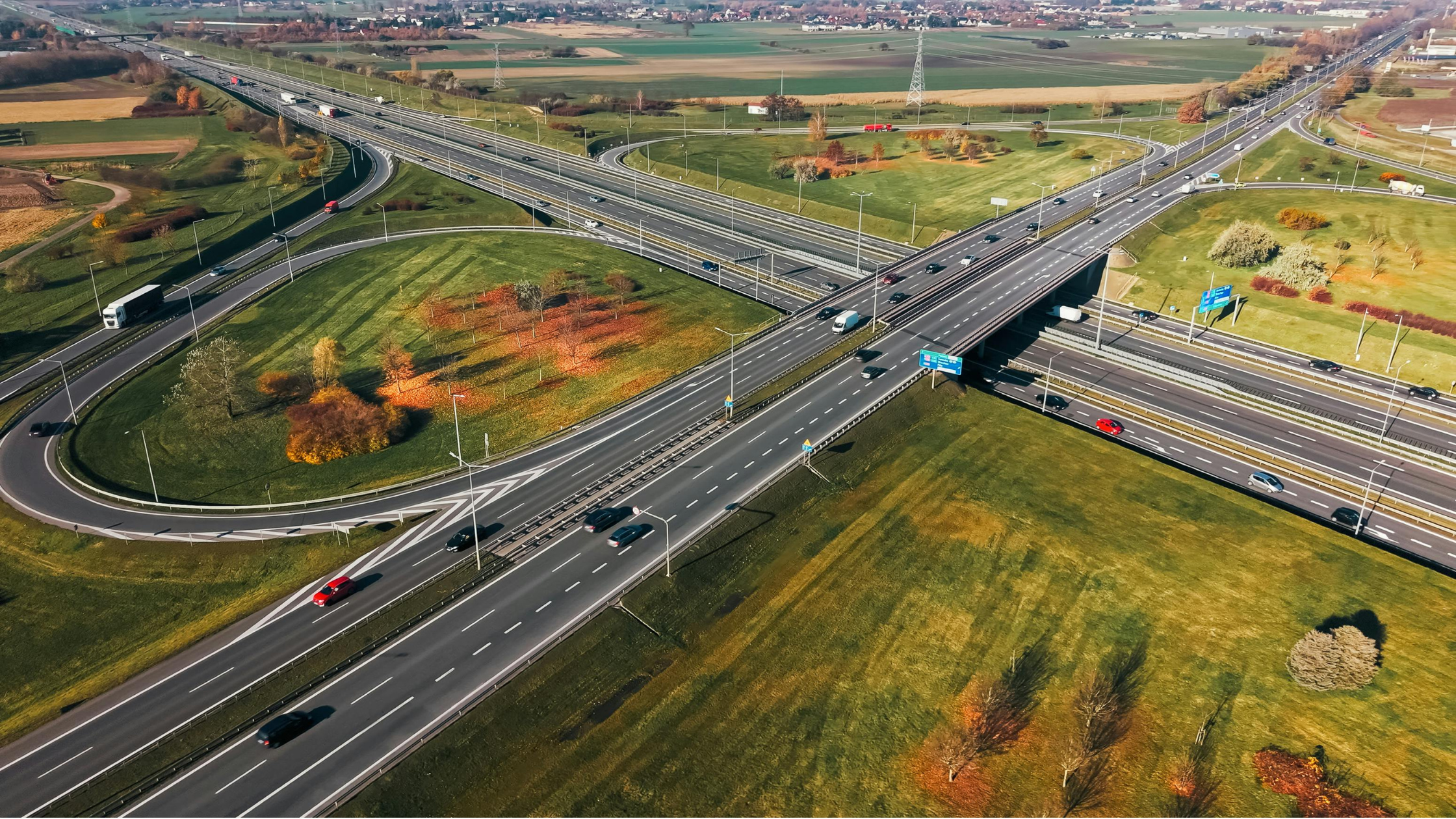
Road infrastructure is another key element. Highways such as the AP-7, C-16 and C-58 provide fast connections between Barcelona and nearby towns, allowing residents to commute by car when needed.
Real commuting time
Finally, commuting time often matters more than distance. A location slightly further from the city may still be attractive if the transport connections are efficient and reliable.
Living Value vs Investment Value
It is also important to understand that the best place to live is not always the best place to invest.
For example, Sant Cugat del Vallès is widely recognised as one of the most desirable residential areas near Barcelona thanks to its excellent connectivity and quality of life.
However, property prices in Sant Cugat are already among the highest in the metropolitan area. While it is an exceptional place to live, its high prices mean that investment opportunities may be more limited compared with emerging markets.
Rubí: Strong Connectivity with More Accessible Housing
A nearby alternative that combines good connectivity with more accessible prices is Rubí.
Rubí benefits from direct FGC rail connections to Barcelona and convenient access to major highways such as the AP-7 and C-16. As a result, commuting times remain manageable while housing prices tend to be lower than in neighbouring premium areas.
For this reason, Rubí is increasingly considered by both residents and investors who are looking for well-connected locations with more accessible entry prices.
Igualada: Connectivity Expanding Residential Options
Looking further beyond the metropolitan core, towns like Igualada are also gaining attention.
Although located further from Barcelona, Igualada is connected to the city through the FGC railway network and regional road infrastructure. These connections allow residents to reach Barcelona while enjoying a quieter environment and more affordable housing.
As transport infrastructure improves, towns like Igualada demonstrate how connectivity can expand the range of viable living options around Barcelona.
Conclusion
As Barcelona’s property market continues to evolve, interest in connected towns near Barcelona is likely to grow. Rail networks, road access and realistic commuting times all play a key role in determining which locations become attractive for living and investing.
Understanding these factors helps buyers make more informed decisions when exploring opportunities beyond the city centre.
At Maonlof, we analyse both local and regional dynamics to help clients identify the most suitable locations around Barcelona. If you would like to learn more, our team will be happy to assist you.