Few landmarks in Europe combine architectural symbolism, urban transformation, and economic impact as powerfully as the Sagrada Familia. More than a religious monument, it has shaped the identity and evolution of its surrounding neighbourhood for over a century.
As construction progresses toward its anticipated completion, an important question arises: how could this milestone influence the urban and real estate environment of Barcelona?
Understanding the Sagrada Familia real estate impact requires looking beyond tourism headlines and focusing on structural dynamics.
A Century-Long Construction with a New Horizon
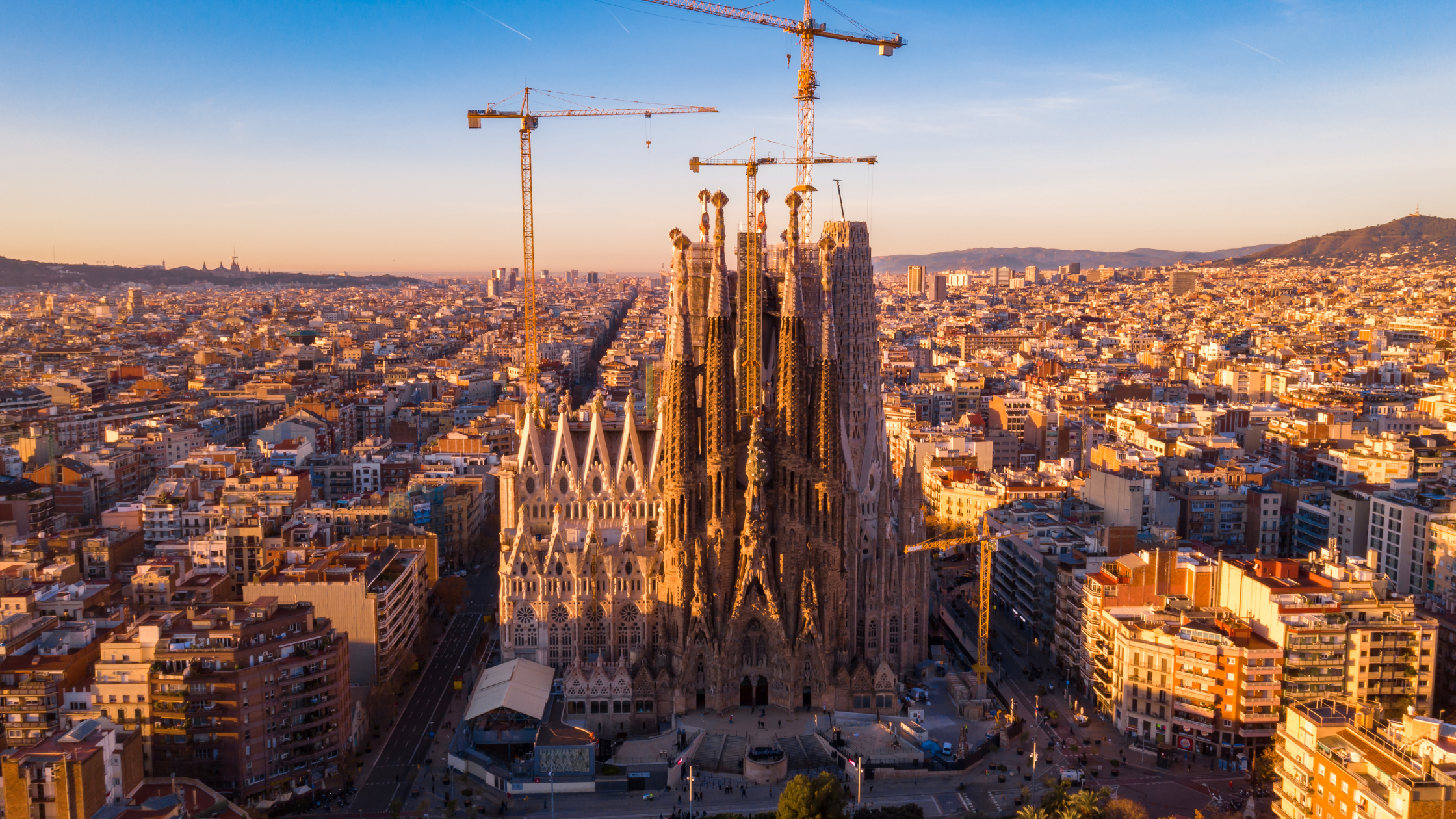
Construction of La Sagrada Familia began in 1882. Since then, it has remained a permanent presence in Barcelona’s skyline—unfinished, evolving, and symbolically powerful.
In recent years, visible progress on the central towers has intensified global attention. The completion of major structural elements is expected to consolidate the basilica’s final architectural form, redefining the skyline of the Eixample district.
This is not merely an aesthetic event. Urban landmarks influence perception, identity, and spatial value.
The Urban Transformation Around the Basilica
Over time, the area surrounding La Sagrada Familia has undergone significant transformation:
- Reconfiguration of public spaces
- Increased pedestrianisation
- Adjustments in traffic flow
- Expansion of tourism infrastructure
The basilica functions as a constant magnet for visitors, reshaping commercial activity and altering the balance between residential and tourist uses.
From an urban planning perspective, the monument has already acted as a long-term development catalyst. Its eventual completion may further consolidate the area’s identity as one of Barcelona’s most internationally recognisable zones.
The Landmark Premium: Why Views Matter
One of the most interesting aspects in real estate terms is the “landmark premium.”
Properties with direct, unobstructed views of iconic landmarks tend to command higher prices and rental values. In the case of La Sagrada Familia, this effect is particularly pronounced.
The reasons are structural:
- Limited supply of units with clear views
- Strong international buyer appeal
- Symbolic value attached to the monument
- Long-term recognisability of the skyline
Apartments with balconies or terraces facing the basilica often attract both international buyers and high-end rental demand. As the central towers reach completion, the fully realised silhouette may further enhance this visual and symbolic premium.
However, it is important to recognise that this premium applies only to a very specific segment of properties. The broader surrounding market remains influenced by other factors such as regulation, density, and urban pressure.
Residential Pressure and Regulatory Context
The area around La Sagrada Familia is not a blank canvas. It is a consolidated district within Barcelona, subject to strict rental regulations and high levels of tourist activity.
High visitor flows generate:
- Increased commercial transformation
- Pressure on residential supply
- Strong short-term rental demand (where permitted)
At the same time, municipal regulation has sought to control tourist accommodation growth and preserve residential balance.
Therefore, any analysis of the Sagrada Familia real estate impact must consider both attraction and constraint. Demand is strong, but regulation and saturation limit speculative expansion.
What Could Change Once Construction Is Completed?
The psychological impact of completion should not be underestimated. For decades, the basilica’s unfinished state has been part of its identity. A completed structure may alter:
- Global media attention
- Tourist patterns
- Investment perception
That said, completion does not automatically imply exponential price growth. The area is already mature and highly valued.
Rather than triggering sudden appreciation, the most likely outcome is consolidation: reinforcement of its status as a premium micro-location within Barcelona’s real estate map.
Conclusion: More Consolidation Than Revolution
The completion of La Sagrada Familia represents a symbolic milestone for Barcelona. From a real estate perspective, its impact is likely to reinforce existing dynamics rather than create entirely new ones.
The surrounding market is already strong, internationally recognised, and structurally constrained. The true influence of completion may lie in consolidating its landmark premium and reaffirming its place within the city’s most iconic residential areas.
For those analysing opportunities in this part of Barcelona, context matters. Understanding urban symbolism, regulatory frameworks, and supply limitations is essential for making informed decisions.
At Maonlof, we examine real estate beyond headlines—connecting urban evolution with long-term investment perspective.