If you own a property in Catalonia that was built before 2002, you may recently have heard about a new requirement involving asbestos when selling or renting your home.
For many owners, this raises questions they may never have had to consider before: What exactly is asbestos? Could my property contain it? Is it dangerous? And if asbestos is found, can I still sell or rent my home?
The first thing to understand is that a property built before 2002 does not necessarily contain asbestos. The date is relevant because materials containing asbestos could still be used in construction before their prohibition in Spain.
And even when asbestos is identified, its presence does not automatically mean that a property is unsafe or that it cannot be sold or rented.
What matters is knowing whether asbestos is present, understanding its condition and managing it correctly.
This is precisely why Catalonia has introduced new measures to improve the identification and progressive removal of asbestos. For property owners, one of the most relevant changes is the asbestos certificate in Catalonia when applicable properties are sold or rented.
But before looking at the new requirement, it helps to understand what asbestos actually is.
What Is Asbestos and Why Was It Used in Homes?
Asbestos is the name given to a group of naturally occurring fibrous minerals.
For decades, it was widely used in construction because of characteristics such as its resistance to heat, fire and wear. This means that some buildings constructed during the 20th century may still contain materials incorporating asbestos.
In Spain, the marketing and use of asbestos were prohibited in 2002.
Before then, asbestos could be incorporated into different construction materials and elements, including certain fibre cement products, roofs, pipes, water tanks, ducts and other building components.
This is why the construction date matters.
However, it is important to make the distinction again: being built before 2002 does not confirm the presence of asbestos. It simply means that materials containing asbestos may have been used and that the property may therefore require the corresponding assessment when it is sold or rented.
Why Can Asbestos Be a Health Risk?
The concern surrounding asbestos is mainly related to its fibres.
When certain asbestos-containing materials deteriorate, break or are disturbed, microscopic fibres can be released into the air. If these fibres are inhaled, exposure can cause serious health problems.
This does not mean that discovering an asbestos-containing material automatically indicates an immediate danger.
Its condition matters.
A material that is damaged or deteriorating may present a different situation from one that remains intact and undisturbed. Its location, type and condition are therefore important when assessing the potential risk and determining what action may be necessary.
For this reason, if you suspect that a material in your property may contain asbestos, do not attempt to break, drill, cut or remove it yourself.
Professional assessment should come first.
Why Is Catalonia Introducing an Asbestos Certificate?
In 2026, Catalonia approved Law 8/2026 on the eradication of asbestos, establishing a framework to improve the identification, management and progressive removal of asbestos across Catalonia.
For homeowners, one of the most relevant aspects of the new legislation concerns property transactions.
When applicable properties are sold or rented, information regarding the presence or absence of asbestos must now be provided through a corresponding certificate.
The objective is not to label every property constructed before 2002 as potentially dangerous.
Instead, the measure is designed to provide owners, buyers and tenants with clearer information about the property and, where asbestos is identified, its condition and possible risk.
In other words, the asbestos certificate in Catalonia is intended to replace uncertainty with verified information.
Which Properties Need an Asbestos Certificate in Catalonia?
According to the current information provided by the Catalan Waste Agency, the certificate requirement applies to properties built before 2002 when they are sold or rented.
The construction date acts as the reference because asbestos-containing materials were prohibited in Spain from 2002.
For example, owning an apartment constructed in 1985 does not mean that the apartment contains asbestos. It does mean that, when preparing to sell or rent it, the owner should check the certificate requirement and obtain the appropriate professional assessment.
For an individual property within a larger building, such as an apartment, the current guidance indicates that the certificate relates to the individual property involved in the transaction.
The definitive regulatory development of the certification system is still pending. In the meantime, the Catalan Waste Agency has published a basic certificate model.
Under the current guidance, the certificate may be issued, within their respective professional competencies, by professionals in architecture, technical architecture, engineering or technical engineering.
What Does the Asbestos Certificate Check?
The purpose of the certificate is fundamentally to establish whether visible asbestos is present or absent in the property.
If asbestos-containing materials are identified, the assessment should also provide information about their condition and the potential risk they may pose.
This distinction is important because the certificate is not simply a document stating “asbestos” or “no asbestos”.
Where asbestos is found, understanding where it is, what condition it is in and whether action is necessary is an essential part of managing the situation correctly.
Selling or Renting a Property Built Before 2002: What Should You Do?
If you are preparing to sell or rent a property constructed before 2002, the process can be approached in a few simple steps.
1. Check the construction date of the property.
If it was built before 2002, verify whether the asbestos certificate requirement applies to your transaction.
2. Contact a competent professional.
A qualified professional can inspect the property and prepare the corresponding certificate.
3. Wait for the assessment before making assumptions.
The fact that your property was constructed before 2002 does not tell you whether asbestos is actually present.
4. Review the result.
If no visible asbestos is identified, the certificate records its absence. If asbestos is identified, the document should provide information about its condition and possible risk.
5. Follow professional recommendations where necessary.
If asbestos is found, the appropriate next step will depend on the type of material, its condition, location and the applicable requirements.
6. Provide the required information as part of the sale or rental process.
The certificate allows the relevant information to be communicated transparently during the property transaction.
What Happens If Asbestos Is Found?
This is probably the question that concerns property owners the most.
And it is also where misinformation can create unnecessary alarm.
Finding asbestos does not automatically mean that you cannot sell or rent your property.
Nor does it automatically mean that the entire home needs to be renovated.
The appropriate action depends on the specific situation: the material identified, its location, its condition, the potential risk and the obligations that apply in that case.
Catalonia’s legislation forms part of a broader strategy for the progressive identification and removal of asbestos, with action prioritised according to factors including risk.
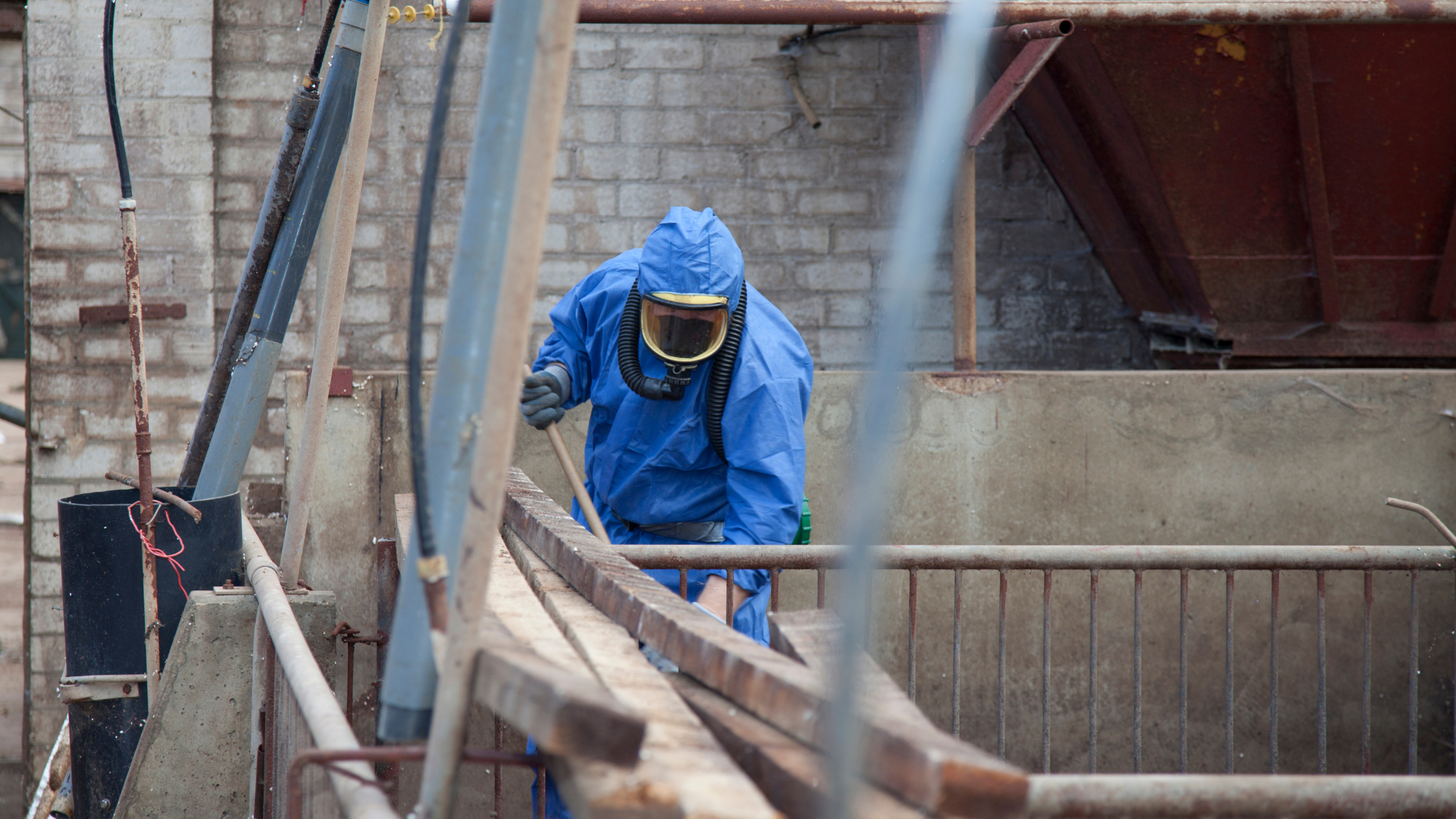
If removal becomes necessary, however, asbestos should never be treated like an ordinary DIY renovation material. Its removal is subject to specific safety requirements and must be managed by appropriately authorised professionals and companies.
For an owner, therefore, the logical order is simple:
identify first, understand the result and then determine what action is actually required.
Four Common Myths About Asbestos
Because many homeowners are encountering this subject for the first time, it is easy for misconceptions to spread.
“My property was built before 2002, so it definitely contains asbestos.”
No. The construction date indicates that asbestos-containing materials could potentially have been used. It does not confirm their presence.
“If asbestos is found, I cannot sell or rent my property.”
Finding asbestos does not automatically prevent a property transaction. The purpose of the certificate is to identify its presence and provide information about its condition.
“If asbestos is found, I will have to renovate the entire property.”
Not necessarily. What needs to be done depends on the material identified, its condition, location and the requirements applicable to the specific situation.
“If I find something that looks like asbestos, I can remove it myself.”
This should be avoided. Materials suspected of containing asbestos should not be broken, cut, drilled or removed without the appropriate professional assessment and safety measures.
Information, Not Alarm
For many homeowners, the new asbestos requirement may initially sound worrying — particularly because asbestos is a subject most people have never had to consider when selling or renting a home.
But the most important message is straightforward:
A property built before 2002 does not necessarily contain asbestos. And identifying asbestos does not automatically mean that a property cannot be sold or rented.
The purpose of the new requirement is to provide better information.
If you are planning to sell or rent a property built before 2002 in Catalonia, check whether the certificate applies, arrange the appropriate professional assessment and follow the recommendations provided if asbestos is identified.
Understanding the situation before acting can help avoid unnecessary concern and ensure that the property transaction is handled correctly.
At Maonlof, we follow changes in property regulations across Catalonia to help homeowners understand new requirements and navigate the process of selling or renting their properties with greater clarity.