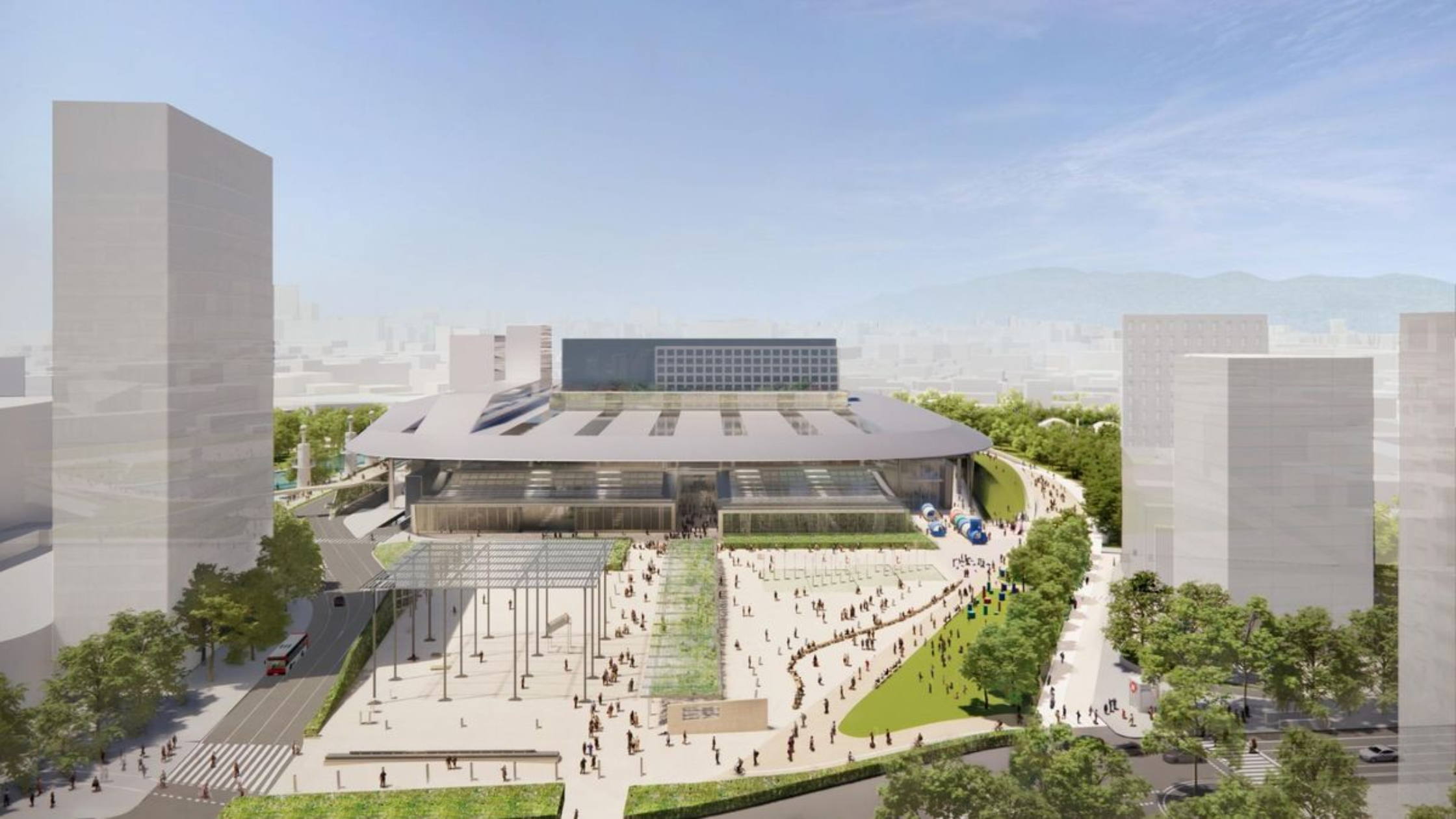
Why Is Barcelona Sants Undergoing a Transformation?
Few places are as important to Barcelona’s mobility network as Sants Station. As the city’s main railway hub, it connects local, regional, national, and international routes, serving millions of passengers every year.
However, Barcelona has changed significantly since the station was originally designed. Population growth, increasing mobility demands, and new transportation needs have highlighted the importance of modernizing one of the city’s most strategic infrastructures.
The Barcelona Sants transformation aims to adapt the station to current and future needs, improving the passenger experience while strengthening its role as one of the city’s main gateways.
Yet the project is about more than trains and platforms. It is also part of a broader conversation about how infrastructure can influence urban development and reshape the neighborhoods around it.
What Changes Are Planned for the Station and Its Surroundings?
The transformation project focuses on improving functionality, accessibility, and connectivity.
Among the key objectives are:
- Expanding and modernizing passenger spaces
- Improving accessibility and circulation within the station
- Enhancing connections between trains, metro services, buses, and other transport options
- Creating a more efficient and user-friendly travel experience
- Integrating the station more effectively into the surrounding urban environment
The project also includes improvements to public spaces around the station, reinforcing the idea that major transport hubs can act as catalysts for broader urban renewal.
For residents and visitors alike, these changes could make one of Barcelona’s busiest areas easier to navigate and more attractive as a destination in its own right.
How Could the Barcelona Sants Transformation Affect Nearby Neighborhoods?
Large infrastructure projects often influence more than the facilities themselves. They can shape how people experience an area and how neighborhoods evolve over time.
The Barcelona Sants transformation could have implications for nearby districts such as Sants, Hostafrancs, and parts of Les Corts.
Improved Connectivity
One of the most immediate benefits of transport investments is improved accessibility.
Areas that are easier to reach often become more attractive to residents, businesses, and visitors. Better connections can reduce travel times and increase convenience for daily commuters.
Enhanced Public Spaces
Urban renewal projects frequently bring improvements to surrounding streets, pedestrian areas, and public spaces.
These enhancements can contribute to a better overall experience for both residents and visitors while helping strengthen neighborhood identity.
Increased Activity
Major transport hubs tend to attract commercial activity, services, and investment.
Restaurants, retail businesses, hotels, and office spaces often benefit from increased foot traffic, which can contribute to a more dynamic local economy.
Why Transport Infrastructure Often Influences Neighborhood Appeal
When discussing real estate, location remains one of the most important factors influencing both demand and buyer perception.
Transport infrastructure plays a significant role in how people evaluate a location.
Buyers and tenants frequently prioritize areas that offer:
- Easy access to public transport
- Efficient connections to employment centers
- Convenient travel options
- Walkability and accessibility
- Good integration with the rest of the city
This does not mean that every infrastructure project automatically increases property values. Real estate markets are influenced by many variables, including supply, demand, economic conditions, and local characteristics.
However, improvements in connectivity often contribute positively to a neighborhood’s overall appeal and long-term attractiveness.
Beyond Transportation: A New Vision for Urban Development
What makes the Barcelona Sants transformation particularly interesting is that it reflects a broader trend in urban planning.
Modern infrastructure projects are no longer viewed solely as transportation upgrades. Increasingly, they are being designed as opportunities to improve public spaces, enhance sustainability, and strengthen connections between neighborhoods.
Cities around the world are investing in projects that integrate mobility with urban quality of life. Barcelona has long been recognized for its commitment to thoughtful urban design, and the redevelopment of Sants Station follows this philosophy.
Rather than treating the station as an isolated transport facility, the project seeks to create stronger links between infrastructure, public space, and the surrounding urban environment.
A Project That Goes Beyond the Station
The Barcelona Sants transformation is ultimately about more than improving a railway station.
It represents an opportunity to rethink how mobility, public space, and urban development interact within one of Barcelona’s most important districts.
While the long-term impact will take time to unfold, the project highlights how strategic infrastructure investments can influence the way people move through, experience, and perceive a city.
For residents, businesses, and property owners, understanding these transformations is important because urban development often shapes the future attractiveness of entire neighborhoods.
At Maonlof, we believe that staying informed about the projects shaping Barcelona is essential for making better real estate decisions. The evolution of a city does not only affect how it looks—it also influences how people live, work, and invest.
Want to stay updated on the developments transforming Barcelona? Follow our blog for more insights on urban trends, real estate, and city living.