Why Is the Sagrada Familia Urban Debate Back in the Spotlight?
The Sagrada Familia urban debate has returned to the spotlight as discussions surrounding the Glory Façade continue to shape conversations about Barcelona’s future development.
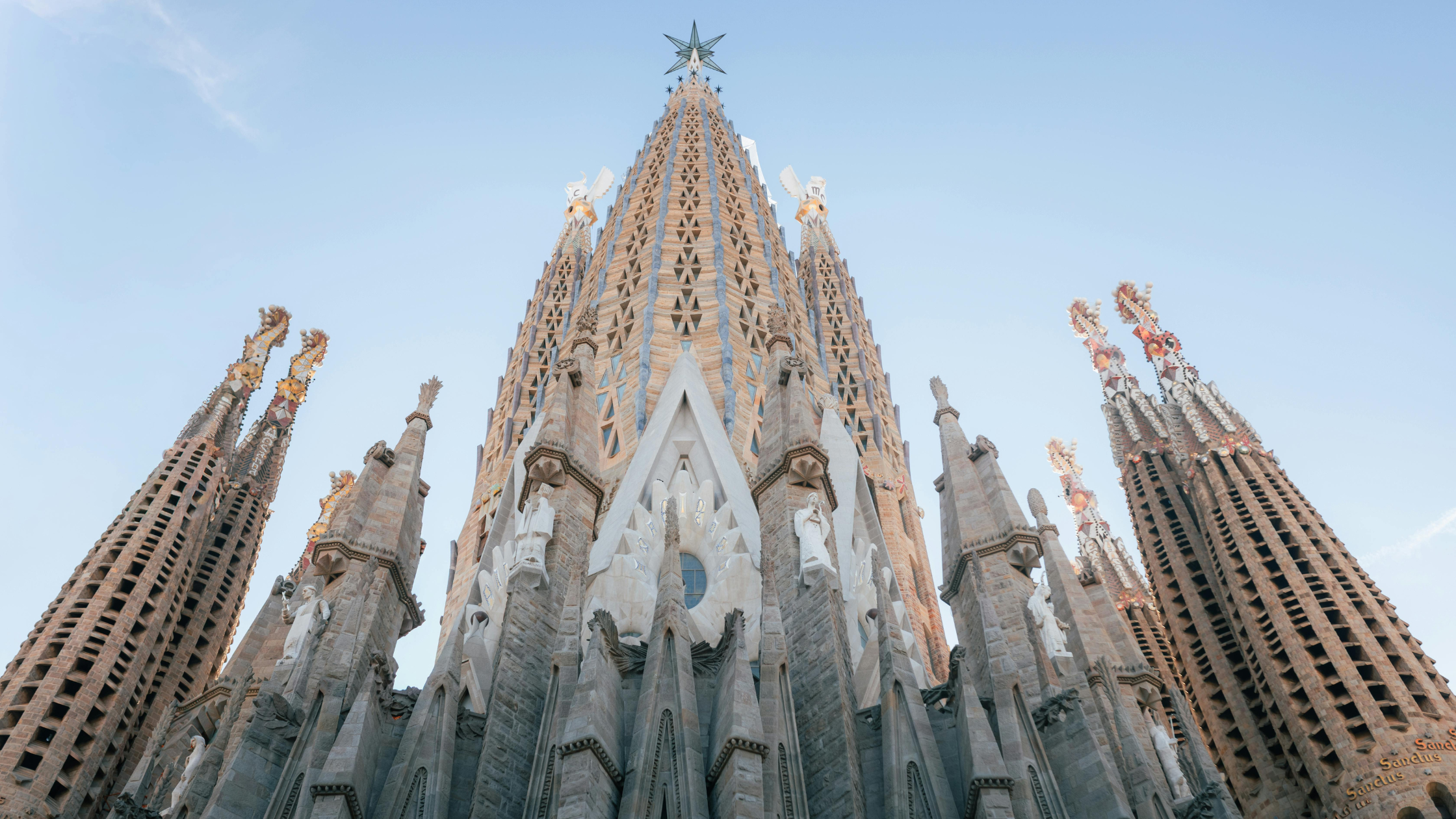
Few landmarks are as closely linked to Barcelona’s identity as the Sagrada Familia. More than a century after construction began, the basilica remains a symbol of the city and one of the most visited monuments in the world. Yet today, the conversation extends far beyond architecture.
The latest discussions focus on the development of the Glory Façade and its connection to the surrounding urban environment. While the project forms part of Antoni Gaudí’s original vision, it has reignited broader questions about urban planning, heritage preservation, tourism, and residential life in Barcelona.
The Vision Behind the Glory Façade
The Glory Façade is intended to become the main entrance to the Sagrada Familia and represents the final major phase of Gaudí’s original design.
Supporters of the project view its completion as an opportunity to bring the basilica closer to the architect’s vision while enhancing one of Barcelona’s most important cultural landmarks.
However, unlike previous stages of construction, the discussion today is not focused solely on the building itself. It is also about how the surrounding city should evolve alongside it.
Why Has the Project Sparked Debate?
The current debate highlights a challenge faced by many major cities: how to balance historical heritage with the realities of modern urban life.
Residents and Urban Space
One of the key concerns involves the potential impact on the surrounding neighborhood. Discussions have focused on how future developments could affect existing residential buildings, public spaces, and local communities.
For residents, the debate is not only about preserving a historic project but also about protecting the character and functionality of the neighborhood they call home.
Tourism and City Planning
The Sagrada Familia attracts millions of visitors every year and plays a major role in Barcelona’s international image.
Supporters of expanding the surrounding public space argue that improvements could help manage visitor flows and create a more appropriate setting for such an important landmark.
At the same time, many believe that any future changes should carefully consider the needs of residents and the existing urban fabric.
What Does the Sagrada Familia Urban Debate Tell Us About Barcelona?
Beyond the specifics of the Glory Façade, the Sagrada Familia urban debate reflects larger questions about the future of Barcelona.
The city has long been recognized for its ability to combine architecture, culture, tourism, and quality of life. However, maintaining this balance becomes increasingly complex as urban pressures continue to grow.
Issues such as housing demand, public space management, tourism, and neighborhood identity are becoming increasingly important in discussions about Barcelona’s development.
In many ways, the debate surrounding the Sagrada Familia serves as a reflection of these broader challenges.
Heritage, Tourism and Residential Life
One reason the discussion has attracted so much attention is that the Sagrada Familia sits at the intersection of several important aspects of Barcelona’s identity.
It is:
- A globally recognized architectural landmark
- A major tourist attraction
- Part of a residential neighborhood
- A symbol of Barcelona’s cultural heritage
Balancing these different roles is not always straightforward.
Cities around the world face similar questions when managing iconic landmarks. How can heritage be preserved while ensuring that local communities continue to thrive? How can tourism be supported without compromising quality of life for residents?
The current discussion surrounding the Sagrada Familia demonstrates how complex these decisions can become.
A Debate That Reflects Barcelona’s Future
The Sagrada Familia urban debate is ultimately about more than a single project.
It highlights the ongoing challenge of balancing heritage, tourism, urban development, and residential life within one of Europe’s most dynamic cities.
Regardless of how the project evolves, the conversation itself offers valuable insight into how Barcelona approaches growth and change. The decisions made today will help shape not only the future of the Sagrada Familia but also the future of the city around it.
At Maonlof, we believe that understanding urban development is essential for understanding the real estate market. The way a city evolves influences how people live, invest, and build communities for generations to come.
Want to stay informed about the trends shaping Barcelona’s neighborhoods and property market? Follow our blog for more insights on urban development, real estate, and city living.